
New Insights on Iran's Oil Revenue and Global Market Dynamics | casino gambling, cara menang togel 2 angka hongkong 2021
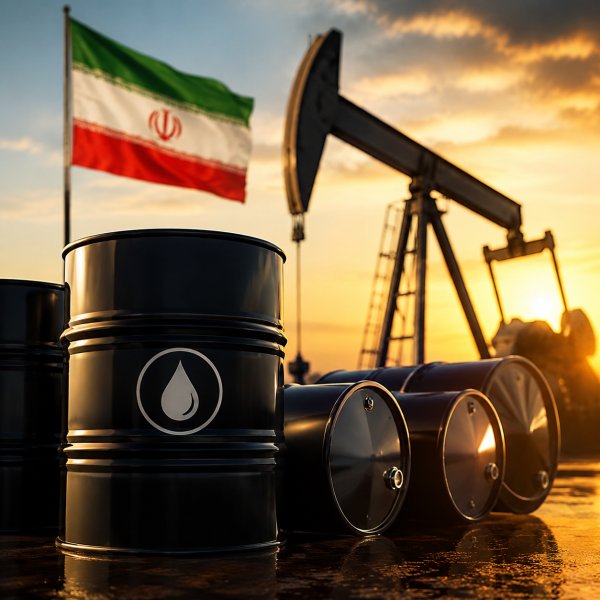
Understanding the Shift in Iran's Oil Revenue Landscape
In a significant turn of events, recent adjustments in U.S. sanctions against Iran are poised to unlock billions in oil revenue for the nation. This development, which comes at a critical juncture amid global economic strains, raises crucial questions about the impact on both regional and international markets. With countries frequently adjusting their energy strategies, staying informed about these changes is essential for businesses and investors alike.
The Evolving Sanction Framework
The U.S. government has made notable modifications to its sanctions on Iranian oil exports, granting specific waivers that allow certain transactions to occur. These waivers are not merely a legal technicality; they represent a broader geopolitical strategy aimed at balancing economic pressures while managing nuclear proliferation concerns. The implications of these changes are profound:
- Increased revenue streams for Iran, potentially stabilizing its economy amidst international pressures.
- Enhanced trading relationships with nations that are keen to diversify their energy sources.
- A shifting landscape for global oil prices, influencing everything from consumer fuel costs to international trade agreements.
How the Waivers Work
Under the revised framework, specific countries are permitted to import oil from Iran without facing immediate repercussions from U.S. sanctions. This selective approach aims to foster diplomatic dialogue while allowing Iran to maintain a foothold in global oil markets.
The Global Impact of Iran's Oil Revenue Increase
As Iran begins to rebuild its oil revenue, the ripple effects will be felt worldwide. Here are some notable consequences:
- Market Volatility: The influx of Iranian oil could lead to fluctuations in oil prices, impacting everything from energy stocks to consumer goods.
- Regional Geopolitical Tensions: Neighboring countries may react to Iran's increased revenue by tightening their own energy policies, leading to further geopolitical complexities.
- Investment Opportunities: For investors, this shift could signal emerging opportunities in sectors related to energy extraction, transportation, and technology that supports oil distribution.
Navigating the New Landscape
Businesses involved in energy trading or those closely linked to oil prices must prepare for the shifting dynamics. Companies that monitor changes in sanctions and oil supply can strategically position themselves to capitalize on these developments.
Conclusion: Staying Ahead in a Changing Energy Market
The recent easing of U.S. sanctions on Iranian oil marks a pivotal moment in global energy dynamics. As Iran works to expand its oil revenue, the complex interplay of geopolitics, market forces, and energy needs will shape the future landscape. For businesses, remaining informed and adaptable is key to navigating these changes successfully. Engage with industry trends and leverage insights to ensure your strategies align with this evolving market.
Leave Your Message
Related PRODUCTS
-

Elevate Your Brand with Premium Lingerie
-
Transforming Gowanus: A New Era of Urban
-
Discover the Luxurious Living Experience
-
Lionel Richie Takes a Break for Health:
-
Elevate Your Wardrobe: Modern Styling Ti
-
Unleash Your Inner Elegance with Premium
-
Unveiling the Elegant Collection of Ling
-
Elevate Your Lingerie Line with Our Prem
-
Discover the Latest Evolution of Lingeri
-
Unlocking the Future of Space Exploratio


