
Severe Sentences Handed Down in Texas Immigration Protest Shooting | agen slot joker deposit pulsa, data cambodia data
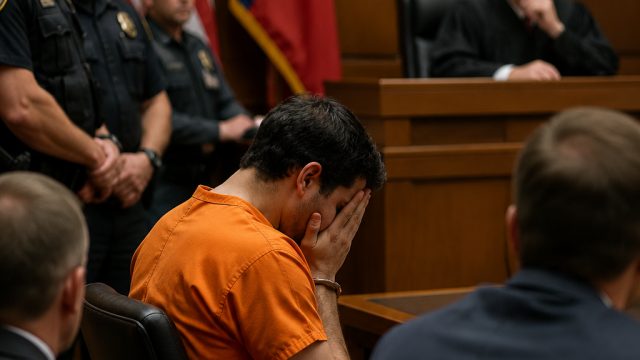
In a significant legal development, eight individuals have been sentenced to decades in prison following a violent protest at an immigration detention facility in Texas. This unprecedented ruling highlights the escalating tensions surrounding immigration policies and the actions of protest groups in the United States.
The Incident and Its Fallout
The protest, which occurred at the Alvarado ICE facility, escalated into violence, leading to the shooting of a law enforcement officer. This incident not only shocked the local community but also raised critical questions about public safety and the limits of protest actions in a democratic society. Those convicted now face prison sentences totaling nearly 450 years.
Details of the Sentencing
- Each of the eight convicted individuals received sentences ranging from 50 to 75 years.
- The charges included terrorism and assault on a police officer, which have drawn public attention to the seriousness of such violent protests.
- Legal experts suggest that these sentences may set a precedent for how future protests are handled, especially those that turn violent.
Implications for Future Protests
This ruling could have far-reaching implications for protesters nationwide, particularly those involved in movements against immigration enforcement. It establishes a judicial stance that could discourage similar actions in the future, as the fear of severe legal repercussions may loom large over activists.
Reactions from Various Stakeholders
The sentences have sparked a variety of responses from lawmakers, activists, and the general public. Some view the sentences as necessary to uphold law and order, while others argue that they represent an overreach of the judicial system against individuals exercising their right to protest.
Understanding the Broader Context
This event fits into a larger narrative concerning immigration policy and the protests that accompany it. As public sentiment shifts on immigration issues, protests have become more frequent, and the potential for violence at these events appears to be increasing. These developments compel a reevaluation of how protests are conducted and how authorities respond.
Potential for Change in Protest Dynamics
As the legal repercussions of these protests are felt, there may be a significant shift in how groups mobilize. The risk of severe repercussions may lead activists to reconsider their strategies:
- Increased focus on peaceful protest methods.
- Collaboration with legal teams to ensure protections during protests.
- Strategic planning to mitigate any potential violence.
Conclusion
The sentences handed down in the Texas immigration protest case serve as a stark reminder of the potential consequences of civil disobedience, particularly when it intersects with law enforcement. As society grapples with immigration issues, the way protests are perceived and treated legally is likely to evolve. This case could very well set a precedent that shapes the landscape of activist movements for years to come.
 The Future of B2B Trade in Lin
Revolutionizing the Lingerie E
Sustainable Practices in Linge
Navigating Global Markets: The
The Future of B2B Trade in Lin
Revolutionizing the Lingerie E
Sustainable Practices in Linge
Navigating Global Markets: The


