
The Rising Threat of H5N1 Bird Flu: What It Means for the Industry | casino gratis spins, mbappe 2023, arsenal 2003
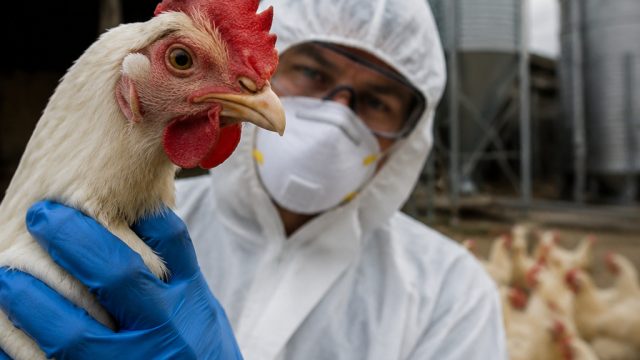
Amidst ongoing global challenges, a new concern has emerged with the confirmation that several migratory birds are carrying a highly pathogenic strain of H5N1 bird flu. This alarming development, reported in two different states, has raised urgent queries about its potential impact on various sectors, especially those involved in the poultry and wildlife industries. In this article, we delve into the implications of this outbreak and how businesses should prepare for the possible outcomes.
The H5N1 Bird Flu Strain: Current Situation
The H5N1 virus, known for its virulence, has been detected in multiple migratory bird populations. Recent testing in affected regions reveals a pressing need for vigilance and proactive measures. As the situation escalates, industries reliant on poultry products face heightened risks, necessitating a comprehensive understanding of the strain and its transmission dynamics.
Health Risks Posed by H5N1
The H5N1 strain poses significant health risks, particularly to avian species. However, it also raises concerns regarding human health, as previous outbreaks have shown the virus's potential to jump from birds to humans. The following points summarize the key health risks associated with H5N1:
- Transmission: The virus can spread rapidly among bird populations, with a potential for zoonotic transmission.
- Human Infection: While transmission to humans is rare, it has occurred, often resulting in severe illness.
- Economic Impact: Outbreaks can lead to significant economic losses in the poultry industry due to culling and trade restrictions.
Implications for the Poultry Industry
The poultry industry is particularly vulnerable to outbreaks of avian influenza. Given the current circumstances, businesses must adopt rigorous biosecurity measures to protect their flocks. Here are some critical strategies that industry players should consider:
Enhanced Biosecurity Measures
Implementing enhanced biosecurity protocols is crucial to minimize the risk of infection. This includes:
- Control Access: Limit access to poultry farms to essential personnel only.
- Regular Monitoring: Conduct frequent health checks and monitor bird populations for signs of illness.
- Sanitation Protocols: Establish thorough cleaning and disinfection procedures for equipment and vehicles.
Industry Collaboration
Collaboration among industry stakeholders becomes vital in combating this threat. By sharing information and resources, businesses can strengthen their defenses against potential outbreaks.
Future Outlook: Preparing for What Lies Ahead
As we observe the spread of H5N1 in migratory birds, it is essential for businesses within the poultry sector to remain proactive. The following considerations should guide strategic planning:
Research and Development
Investing in research and development can pave the way for enhanced detection methods and vaccines. Investment in innovative technologies is crucial for long-term stability and safety.
Regulatory Compliance
Compliance with local and international regulations regarding disease management must be prioritized. Understanding and adhering to these guidelines is essential for minimizing risk and ensuring consumer safety.
Conclusion: Staying Informed and Prepared
The emergence of H5N1 in migratory birds presents a significant challenge for various industries, particularly the poultry sector. With the potential for rapid transmission and severe health implications, it is paramount that businesses stay informed and prepared. By implementing robust biosecurity measures, collaborating effectively, and investing in R&D, companies can mitigate risks and safeguard their operations. As we navigate this complex landscape, remaining vigilant and adaptable will be key in addressing the challenges posed by H5N1.
 The Future of B2B Trade in Lin
Revolutionizing the Lingerie E
Sustainable Practices in Linge
Navigating Global Markets: The
The Future of B2B Trade in Lin
Revolutionizing the Lingerie E
Sustainable Practices in Linge
Navigating Global Markets: The


