
Republican Discontent Grows Over Iran Negotiations | mansion77, free pai gow
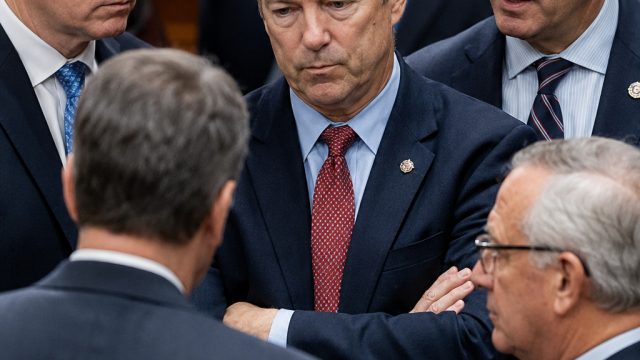
As political tensions escalate, the recent negotiations concerning Iran have sparked significant discontent among Republicans in Congress. The Trump administration’s approach has faced unexpected scrutiny from within the party, reflecting deepening divisions and heightened concerns over national security and international relations.
The Backlash from Republican Lawmakers
In a rare display of dissent, several prominent Republican lawmakers have voiced their apprehensions regarding the latest deal with Iran. The administration’s strategy, which many consider to be a series of concessions, is perceived as undermining U.S. interests in a volatile region.
Key Concerns Raised
- National Security Risks: Critics argue that the deal may embolden Iran's military ambitions, potentially destabilizing the region further.
- Political Fallout: The backlash highlights the growing rift between traditional Republican foreign policy hawks and the current administration’s more lenient stance.
- Bipartisan Reactions: Not only have Republicans raised concerns, but some Democrats have also expressed skepticism, indicating that the agreement lacks necessary safeguards.
The Implications for U.S. Foreign Policy
As the situation unfolds, the implications for U.S. foreign policy could be profound. The deal has the potential to redefine America’s approach to Iran, posing questions about how future administrations might handle similar negotiations.
Long-term Consequences
- Regional Dynamics: A perceived weakening of U.S. resolve could encourage adversarial states to challenge American influence.
- International Alliances: Allies may reassess their positions, questioning America's commitment to collective security assurances.
- Future Negotiations: The credibility of U.S. diplomacy could suffer, complicating future negotiations with not only Iran but other nations as well.
Public Sentiment and Political Strategy
The Republican Party faces a critical moment as it navigates public sentiment around the deal. Many constituents are concerned about national security, and party leaders must carefully consider their next moves to maintain voter confidence.
Strategies for Republican Leaders
- Engage in Dialogue: Leaders may need to foster discussions within the party to unify their stance on foreign policy.
- Public Messaging: Clear communication about the risks posed by the deal will be essential to counteract any negative perceptions.
- Policy Proposals: Offering alternative strategies to address Iranian aggression could bolster their position and demonstrate leadership.
Conclusion: A Call for Unity
The growing discontent among Republicans over the Iran negotiations presents a crucial opportunity for party leaders to reassess their strategies. As the geopolitical landscape shifts, unity and clear communication will be essential to effectively advocate for U.S. interests abroad. Engaging both party members and the public in meaningful dialogue about these critical issues can help the Republican Party navigate this challenging terrain successfully.
 The Future of B2B Trade in Lin
Revolutionizing the Lingerie E
Sustainable Practices in Linge
Navigating Global Markets: The
The Future of B2B Trade in Lin
Revolutionizing the Lingerie E
Sustainable Practices in Linge
Navigating Global Markets: The


