
Recent Court Ruling Impacts Immigration Arrests at U.S. Courthouses | alaska99 slot, tuankaya slot
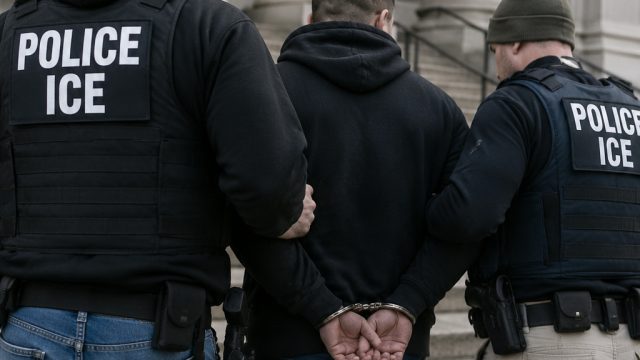
In a significant legal development, a federal judge has issued a ruling that prohibits the Trump administration from executing arrests at U.S. courthouses. This decision comes amidst ongoing debates regarding immigration policies and the treatment of individuals within the judicial system. The ruling has stirred discussions about the broader implications for immigrant rights, safety in legal proceedings, and the functioning of the courts during an already tumultuous period.
The Context Behind the Ruling
This ruling arises from a contentious policy that allowed immigration officials to conduct arrests within courthouses. Advocates argued that such actions hindered access to justice for immigrants, as fear of arrest could dissuade individuals from pursuing legal recourse or attending necessary hearings. The judge's decision marks a critical moment in the ongoing discourse surrounding immigration enforcement practices.
Implications for Immigrant Rights
- Enhanced safety for individuals seeking legal assistance
- Encouragement for immigrants to engage with the judicial system
- Potential challenges for immigration enforcement agencies
The ruling has been celebrated by many immigrant advocacy groups, who claim that it upholds the principle that courts should remain safe spaces for all individuals, irrespective of their immigration status. By eliminating the threat of arrests at courthouses, the decision may empower immigrants to pursue their rights without fear.
Legal Challenges and Future Considerations
This ruling is not just a standalone event; it is part of a larger trend of legal challenges against the Trump administration's immigration policies. The legal landscape continues to evolve, with a series of cases that address the complexities of immigration law and the protections afforded to immigrants in the United States.
What Comes Next?
As this court ruling unfolds, it raises questions about future policies and practices at immigration courts. Key considerations include:
- How the ruling will be applied across different jurisdictions
- The potential responses from immigration enforcement agencies
- Further legal challenges that may arise in the wake of this decision
Experts are closely monitoring these developments, as they may significantly shape the landscape of immigration enforcement and judicial access moving forward.
Conclusion: A Turning Point for Immigrant Justice
The federal judge's ruling against arrests at courthouses represents a crucial turning point in the ongoing fight for immigrant justice in the United States. It underscores the importance of ensuring that the judicial process remains accessible and equitable, regardless of an individual's immigration status. As conversations around immigration reform continue to intensify, this ruling serves as a beacon of hope for many and emphasizes the need for a fair legal system.
Ultimately, this decision not only affects the immediate situation surrounding immigration arrests but also sets the stage for future policies and legislative measures aimed at protecting the rights of immigrants. As stakeholders in the legal and immigration sectors adapt to this new reality, the implications of this court ruling will undoubtedly resonate for years to come.
 India's Textile Industry Poise
Unlocking Global Trade Opportu
Navigating the Challenges of B
Maximizing Your B2B Lingerie S
India's Textile Industry Poise
Unlocking Global Trade Opportu
Navigating the Challenges of B
Maximizing Your B2B Lingerie S


