
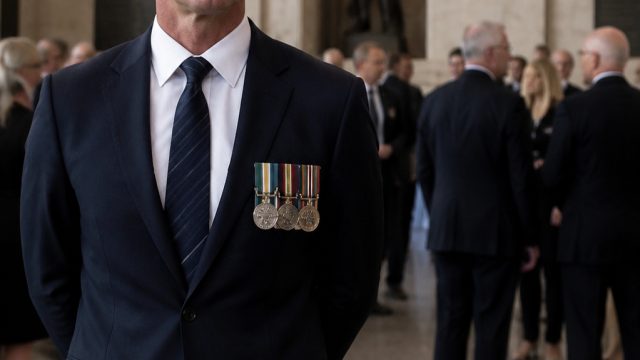
Ben Roberts-Smith's Absence at War Memorial Gallery Opening Raises Questions
The spotlight has recently shifted to the Australian War Memorial as it prepares to unveil a new gallery dedicated to honoring military service. However, the anticipated event will be notably absent a key figure. Ben Roberts-Smith, a prominent veteran and former soldier, has confirmed that he will not be attending due to health issues. This situation prompts reflection on the significance of such absences in commemorating national history.
The Context of the Gallery Opening
The new gallery at the War Memorial aims to present a comprehensive narrative of Australia’s military involvement throughout history. By showcasing artifacts, personal stories, and multimedia installations, the gallery seeks to engage visitors and educate them about the sacrifices made by service members. Events surrounding the opening highlight the ongoing conversation about military recognition and public engagement.
Why Ben Roberts-Smith’s Absence Matters
Ben Roberts-Smith, a decorated soldier, has been a controversial figure due to allegations concerning his conduct during military operations. His absence from a significant event at the War Memorial raises questions not only about his personal well-being but also about the impact of public perception on the legacy of military service.
- Public Image: Roberts-Smith has been at the center of a media storm; his presence could have influenced public sentiment positively.
- Memorial Significance: The War Memorial serves as a testament to the bravery of all veterans—Roberts-Smith’s absence draws attention to the complexities of heroism.
- Historical Narrative: The unfolding events challenge how we narrate and remember history, especially concerning figures with tarnished reputations.
Broader Implications for Public Events
Roberts-Smith's failure to attend, attributed to his recent illness, underscores the unpredictability surrounding public figures and their commitments. Events like the War Memorial gallery opening are crucial for fostering connections between the public and the military, and the absence of key figures can alter these dynamics.
Health and Public Responsibility
In an era where public health is in the spotlight, the health of public figures inevitably invites scrutiny. Roberts-Smith’s situation prompts discussions about how health issues affect the responsibilities of individuals in the public eye.
- Understanding and Compassion: Society must navigate compassion for those facing health challenges while considering their public roles.
- Impact on Engagement: Public figures often serve as touchstones for community engagement; their health can directly influence public interest and participation.
The Future of Commemoration and Recognition
The absence of notable figures at commemorative events raises critical questions about how we define recognition and legacy. As we look toward the future, it is important to understand how such absences might shape our collective memory and the narratives we choose to uphold.
Revisiting Historical Narratives
The Roberts-Smith situation prompts a reconsideration of how we tell stories of valor and service. Every veteran's story contributes to a larger tapestry of national identity, and we must evaluate whose stories are told and how they are framed.
- Inclusion of Diverse Perspectives: Engaging diverse narratives can enrich our understanding of military history.
- Challenges of Representation: Figures like Roberts-Smith call attention to the challenges in balancing commendation with accountability.
Conclusion
Ben Roberts-Smith's absence from the War Memorial gallery opening serves as a poignant reminder of the intricate relationship between public figures, health, and legacy. As the nation reflects on its military history, it becomes increasingly vital to engage with all facets of these narratives and to consider the implications of each story we choose to tell. Ultimately, honoring service requires not just recognition of valor but also an honest dialogue about the complexities that accompany it.



