
Innovative Submarine Designs: A Historical Perspective on Naval Warfare
Key Takeaways
- The Turtle was one of the first combat submarines, designed during the American Revolution.
- David Bushnell, its creator, aimed to disrupt British naval superiority.
- The vessel’s legacy influences modern submarine design and military strategy.
- Understanding these breakthroughs is essential for maritime defense discussions today.
- Innovations in underwater technology continue to evolve, impacting global naval tactics.
The Birth of Submarine Warfare
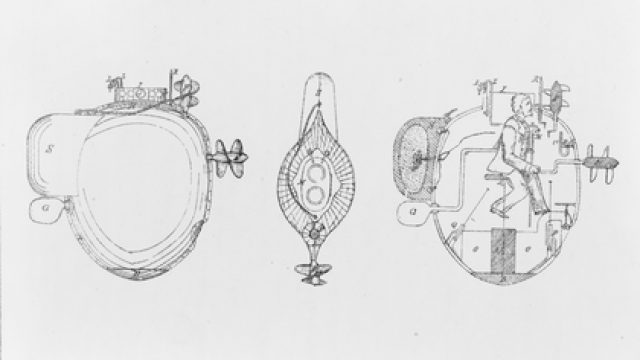
In the context of the American Revolution, naval warfare was a critical arena where supremacy was often contested. David Bushnell, a Yale University student, recognized the need for a revolutionary approach to combat. His invention, the Turtle, became a landmark in underwater warfare history. This first-ever combat submarine aimed to penetrate the defenses of the British Royal Navy, a formidable opponent during the late 18th century.
The Turtle was a one-man vessel that employed a unique method of attack, attempting to affix explosive charges to British ships. Although the first mission on September 7, 1776, to target the HMS Eagle was unsuccessful, the concept was groundbreaking. It introduced a new dimension to naval strategy and posed a significant psychological threat to enemy forces.
Impact of the Turtle on Naval Technology
The Turtle’s design was not only innovative for its time but also laid the groundwork for future advancements in submarine warfare. The idea of utilizing underwater vessels for stealth and surprise attacks is now a fundamental principle in military naval operations. Post-revolution, the development of submarines has only accelerated, especially with advancements in technology and materials.
Today, modern submarines incorporate sophisticated technologies, including artificial intelligence and advanced propulsion systems, making them critical components of naval fleets worldwide. In regions like Southeast Asia, including markets in Indonesia, the focus on naval modernization is increasingly relevant due to rising maritime tensions in the South China Sea. Countries in the ASEAN region are investing in advanced underwater capabilities, recognizing the strategic importance of naval power.
Lessons from History: Why It Matters Now
Understanding the legacy of early submarines like the Turtle is essential as the world grapples with contemporary naval challenges. Historical innovations provide insights into how military strategies evolve in response to changing geopolitical landscapes. Current military forces study past conflicts to inform their strategies and technological investments.
Furthermore, as nations build their maritime capacities, the lessons learned from Bushnell’s Turtle remind us of the critical balance between technology and strategy. For businesses in the defense sector, especially those exporting naval technologies, these historical precedents could shape future innovations and market demands.
Submarines in the Modern Age
The role of submarines today extends beyond traditional warfare. They are pivotal in surveillance, reconnaissance, and even humanitarian missions. The integration of artificial intelligence (AI) further enhances their capabilities, allowing for autonomous operations and improved decision-making.
As we look forward, the legacy of innovations like the Turtle continues to inspire new generations of inventors and military strategists. The conversation around naval power, especially within ASEAN countries, has never been more critical as nations navigate the complexities of maritime security.
Conclusion
Innovation in submarine design, sparked by historical inventions, plays a vital role in contemporary naval strategy. The Turtle serves as a reminder of the unending quest for superiority on the seas. As we advance technologically, the lessons from the past remain relevant, reminding us to innovate strategically while considering the implications of our designs and their applications in today's ever-changing global landscape.
 Innovative Designs in Lingerie
Sustainable and Ethical Linger
Top 5 Suppliers for Wholesale
Top Global Suppliers in the Li
Innovative Designs in Lingerie
Sustainable and Ethical Linger
Top 5 Suppliers for Wholesale
Top Global Suppliers in the Li


