
Italian Researchers Introduce Baby Octopuses to Combat Blue Crab Invasion
Key Takeaways
- Blue crabs threaten marine ecosystems in the Adriatic Sea.
- Italian researchers released baby octopuses to combat this invasive species.
- This initiative aims to restore local marine biodiversity.
- Invasive species management is crucial for the region's fishing industry.
- Continued monitoring is essential to assess the effectiveness of this approach.
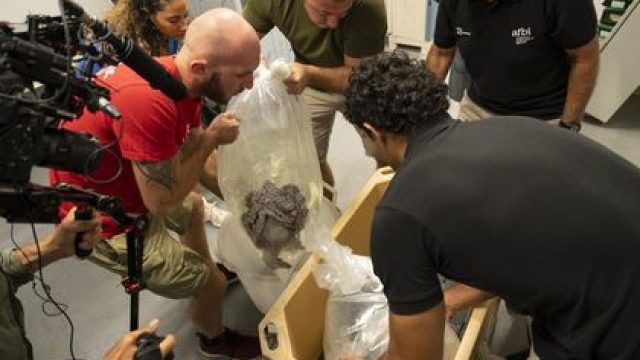
The Adriatic Sea is currently facing a significant ecological challenge due to the invasion of blue crabs, a species not native to the region. This invasive crustacean has been wreaking havoc on local ecosystems and the fishing industry, raising alarm among marine biologists and environmentalists alike. In a groundbreaking effort to restore balance, experts in Italy have initiated a project to release thousands of baby octopuses into the waters.
Understanding the Invasion
Blue crabs, although popular in culinary circles, pose a significant risk to the marine life in the Adriatic Sea. Their population explosion threatens native species and disrupts the local marine food chain. The introduction of these crabs can be traced back to various environmental factors and human activities, including increased shipping traffic and climate change. As they proliferate, the blue crabs are severely impacting the biological diversity that the Adriatic Sea has historically supported.
Why Octopuses?
Octopuses, particularly the common octopus, are natural predators of crabs. By introducing these baby octopuses into the environment, researchers hope to curb the blue crab population effectively. This method of biological control minimizes the need for chemical interventions, promoting a more sustainable approach to managing invasive species.
Current Initiatives and Future Plans
The project, initiated by a coalition of Italian marine research institutions, signifies a proactive approach to ecological restoration. The release of baby octopuses is only the first step; researchers plan to monitor their growth and feeding habits closely. The goal is to assess whether these octopuses can establish a breeding population that contributes to controlling the blue crab numbers sustainably.
Monitoring Effectiveness
Following the release, scientists will conduct regular assessments to gauge the impact of the octopuses on the blue crab population. This monitoring phase is crucial for understanding the dynamics of predator-prey relationships in this unique habitat. Early indicators will help inform future conservation strategies, and successful outcomes may lead to similar initiatives in other affected areas.
Implications for the Fishing Industry
The health of the Adriatic's marine ecosystem is essential not only for biodiversity but also for the fishing industry, which is a vital economic resource for coastal communities. The uncontrolled increase of blue crabs poses a direct threat to the livelihoods of local fishermen who depend on healthy fish stocks. By implementing biological controls, researchers aim to restore balance and protect the economic interests tied to fishing.
Community Engagement
Local communities are encouraged to participate in the monitoring and reporting process, fostering a collaborative approach to environmental stewardship. Engaging fishermen and coastal residents can enhance the effectiveness of conservation strategies, ensuring that those most affected by the invasion are actively involved in the solution.
Conclusion
The innovative strategy of releasing baby octopuses in the Adriatic Sea highlights the urgent need for effective management of invasive species. As researchers work to combat the blue crab threat, this initiative serves as a reminder of the delicate balance within marine ecosystems. The outcomes of this project may shape future conservation efforts, not only in Italy but across other regions facing similar ecological challenges.
 Innovative Designs in Lingerie
Sustainable and Ethical Linger
Top 5 Suppliers for Wholesale
Top Global Suppliers in the Li
Innovative Designs in Lingerie
Sustainable and Ethical Linger
Top 5 Suppliers for Wholesale
Top Global Suppliers in the Li


