
Controversial Military Strategy in the Strait of Hormuz Faces Backlash | kera4d cc, aplikasi togel hadiah terbesar
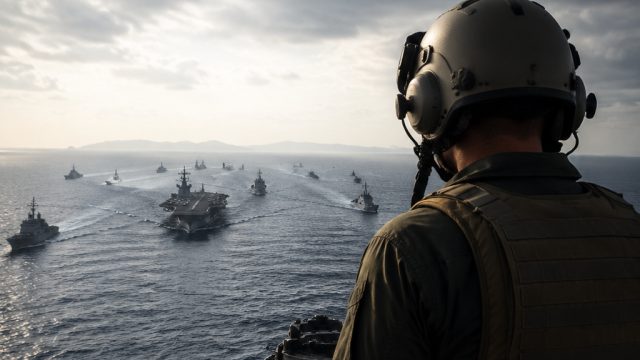
Controversial Military Strategy in the Strait of Hormuz Faces Backlash
Recent remarks by U.S. Senator Lindsey Graham regarding the military strategy in the Strait of Hormuz have sparked significant debate among military experts and political analysts. With tensions rising in the Middle East, Graham's assertions suggest a more aggressive approach to what he describes as an inevitable failure of diplomatic efforts, adding urgency to discussions surrounding national security and international relations.
Lindsey Graham's Stance
During a recent appearance on Face the Nation, hosted by Margaret Brennan, Senator Graham expressed his belief that the current diplomatic negotiations in Switzerland would not yield the desired outcomes. He emphasized the need for a stronger military presence in the area, arguing that the United States must take decisive action to safeguard its interests in the region. Graham stated, "I spent 4.5 hours with President Trump on Friday. Here's what I think needs to happen."
Implications of Military Intervention
Graham's comments have not gone unnoticed. Retired Army General Mark Hertling publicly criticized the senator's approach, questioning the feasibility and potential consequences of such a military escalation. Key points raised in the critique include:
- Risk of Escalation: Increased military presence could provoke further conflict with Iran, escalating tensions rather than alleviating them.
- Strategic Consequences: A military strategy centered on the Strait of Hormuz may ignore broader geopolitical dynamics, impacting U.S. relations with allies.
- Domestic Response: The American public's growing opposition to military interventions may complicate support for Graham's proposed plan.
The Strategic Importance of the Strait of Hormuz
The Strait of Hormuz is a critical maritime chokepoint, responsible for approximately 20% of the world's oil trade. Its strategic significance cannot be overstated, as any disruptions in this region can have far-reaching implications for global energy markets and security. As tensions in the Middle East persist, the international community is watching closely to see how the U.S. will navigate these challenges.
Energy Market Impacts
Military actions in the Strait of Hormuz could lead to major fluctuations in oil prices. Analysts are closely monitoring this situation, as instability in oil supply chains can trigger ripple effects in global economies. Factors to consider include:
- Potential Price Hikes: Any military conflict may lead to a spike in oil prices, affecting consumers and industries worldwide.
- Supply Chain Disruptions: Increased military presence may disrupt shipping routes, leading to delays and increased costs.
- Alternative Energy Investments: Heightened risks may accelerate investments in renewable energy sources as countries seek to diversify their energy portfolios.
The Broader Political Climate
As the U.S. engages in these discussions, the political landscape is increasingly polarized. Graham’s perspective aligns with a segment of the Republican Party advocating for a more hawkish stance on foreign policy. However, the approach faces challenges from within the party and beyond, as calls for diplomatic resolutions grow louder.
Calls for Diplomacy
Opponents of Graham's military strategy argue for renewed diplomatic efforts. They highlight the importance of engaging with international partners to achieve a lasting peace. Key arguments for prioritizing diplomacy include:
- Long-term Stability: Diplomacy is viewed as a pathway to sustainable solutions that prevent future conflicts.
- Building Alliances: Collaborative international relations can strengthen alliances and foster mutual security.
- Public Support: A diplomatic approach may resonate more with a populace weary of military interventions.
Conclusion
The debate surrounding Lindsey Graham's military strategy in the Strait of Hormuz highlights the complexities of U.S. foreign policy in a volatile region. As the situation evolves, it is essential for policymakers to weigh the potential consequences of military action against the benefits of diplomatic engagement. The international community watches closely, understanding that the outcomes will significantly impact global stability and security.
 Exploring the Booming Kids Fas
Upcoming Textile and Yarn Prod
Top 5 Lingerie Export Markets
The Future of Lingerie: Innova
Exploring the Booming Kids Fas
Upcoming Textile and Yarn Prod
Top 5 Lingerie Export Markets
The Future of Lingerie: Innova


