
Micah Lasher's Victory Signals Shift in Congressional Dynamics | cicilan bri kur 2022, depo 178 slot
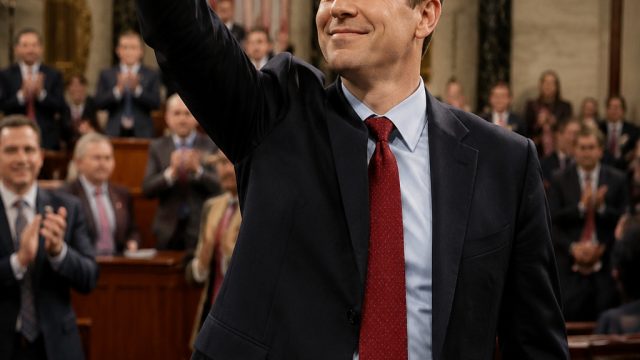
In a pivotal moment for New York politics, Micah Lasher has emerged victorious in the Democratic primary for the 12th Congressional District. This election drew considerable attention, not just for the candidates but also for the substantial financial backing from various AI-focused organizations. Lasher's triumph could herald significant changes in the political landscape, particularly concerning how technology influences electoral processes.
The Impact of AI on Political Campaigns
As technology continues to permeate every aspect of our lives, its influence on politics has become increasingly pronounced. Lasher's success in the primary underscores a growing trend: the involvement of AI-driven strategies in election campaigns. Political analysts are noting that candidates who embrace technological advancements can amplify their outreach and engagement with voters.
Funding from AI Groups
The financial support that Lasher received from AI groups highlights a convergence of technology and politics. This year, many campaigns are witnessing a surge in funding from tech-centric organizations aiming to shape policy through influential candidates. Here’s why this matters:
- Increased Visibility: Candidates with robust financial backing can afford expansive advertising campaigns, reaching a broader audience.
- Data-Driven Decisions: AI provides insights into voter behavior, allowing campaigns to tailor their messages effectively.
- Long-Term Influence: The presence of tech firms in politics may affect legislation, particularly concerning data privacy and tech regulation.
Shifting Political Alliances
Lasher's victory is also indicative of a shift in political alliances within the Democratic Party. His success points to a desire among voters for candidates who prioritize technological innovation and its implications for society. As we move closer to the general elections, this shift may influence the strategies that other candidates adopt.
Voter Sentiment and Technological Advocacy
The electorate is becoming increasingly aware of the importance of technology in shaping policy. Voters are now seeking candidates who understand the implications of AI and technology in their daily lives, from healthcare to privacy concerns. Lasher's campaign focused on these themes, resonating with voters who prioritize a forward-thinking approach. Key aspects to note include:
- Advocacy for Responsible Tech: Lasher's platform included pledges for ethical regulation of AI technologies.
- Community Engagement: By emphasizing technology's role in community development, he garnered support from tech-savvy constituents.
The Road Ahead for Lasher and Congress
As Micah Lasher prepares for the general elections, the implications of his victory are far-reaching. Should he win in November, he could become a key player in Congress, particularly concerning legislation that addresses technology's role in society. Observers are keenly watching how his win will influence future decisions on critical issues such as:
- Data Privacy: Ensuring that citizens' rights are protected amid rapid technological advancements.
- Tech Regulation: Balancing innovation with ethical standards and societal needs.
- Investment in Technology: Advocating for policies that promote tech development in underrepresented communities.
Conclusion
Micah Lasher's primary victory not only marks a significant personal achievement but also sets the stage for a potential transformation in the political landscape. The amalgamation of technology and politics, particularly through the lens of AI, will likely shape future elections and legislative agendas. As we witness this evolution, stakeholders across the board must consider how these changes impact their engagement strategies and policy priorities. The upcoming months will be crucial in determining whether Lasher's victory will symbolize a lasting shift in Congressional dynamics.
 Revolutionizing the Lingerie E
The Impact of E-Commerce on B2
Maximizing Profitability: Whol
Unveiling the Future of Linger
Revolutionizing the Lingerie E
The Impact of E-Commerce on B2
Maximizing Profitability: Whol
Unveiling the Future of Linger


