
New Spider Species Found with Innovative Ant-Trapping Technique | ayahqq login, bandar slot gacor, ws88 slot
New Spider Species Found with Innovative Ant-Trapping Technique
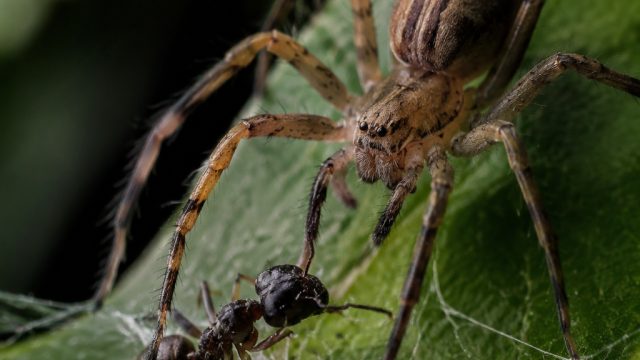
In a remarkable discovery from the lush rainforests of far north Queensland, scientists have identified a new species of spider that employs a surprisingly creative method to trap its prey. This unique arachnid has developed a spring-loaded mechanism to ensnare a specific type of ant, showcasing the incredible adaptability and diversity of wildlife in this region.
The Discovery and Its Significance
The identification of this new spider species is not merely an intriguing find; it highlights the urgency to understand and protect biodiversity within Queensland's rainforests. With the increasing threats posed by habitat loss and climate change, each new species discovered serves as a reminder of the importance of conservation efforts.
Unpacking the Spider's Unique Mechanism
Researchers have noted that the spider constructs a specialized trap that resembles a spring-loaded mechanism. This trap is designed to snap shut when an unsuspecting ant ventures too close. The precision and functionality of the trap illustrate the spider's evolutionary adaptations, allowing it to thrive in a competitive ecosystem.
Why This Matters Now
The timing of this discovery could not be more crucial. As environmentalists and scientists continue to raise alarms about biodiversity loss worldwide, the emergence of new species like this spider underscores the richness of ecosystems that are still being explored. With every new finding, there is potential insight into ecological balance and environmental health.
Implications for Biodiversity Research
- Understanding Ecosystem Dynamics: Each species plays a critical role in its ecosystem, and learning about their behaviors can help scientists understand ecological interactions.
- Conservation Strategies: Find out how new discoveries inform strategies to protect vulnerable habitats and species under threat.
- Public Awareness: Engaging the public in these discoveries can foster a greater appreciation for wildlife and the need for conservation efforts.
Future Research Directions
With the discovery of this new spider species, researchers are now more motivated than ever to conduct in-depth studies. Future research will likely focus on:
- The spider's habitat preferences and distribution
- Its role in the food web of the rainforest ecosystem
- Potential interactions with other species, particularly the ant it preys upon
Engaging the Community
This discovery has sparked interest not just among scientists but also within local communities. Educating the public about the importance of such creatures can lead to increased support for conservation initiatives. Events like guided rainforest tours, educational workshops, and community science projects can be effective means of fostering appreciation for local biodiversity.
Conclusion: A Call to Action
The identification of this innovative spider species serves as both an exciting scientific revelation and a critical reminder of the importance of preserving our planet's biodiversity. As we celebrate this discovery, it is essential to advocate for conservation efforts that protect the delicate ecosystems upon which such remarkable species rely. Engaging and educating ourselves and our communities can pave the way for a brighter future for all wildlife in our rainforests and beyond.
 Global Trends in Lingerie Expo
Unlocking Global Markets: The
Navigating B2B Wholesale Linge
The Future of Lingerie Manufac
Global Trends in Lingerie Expo
Unlocking Global Markets: The
Navigating B2B Wholesale Linge
The Future of Lingerie Manufac


