
Understanding the Schumann Resonance: Insights for 2024
Key Takeaways
- The Schumann Resonance frequency is approximately 7.83 Hz.
- In 2024, fluctuations in resonance may influence weather patterns.
- Understanding this resonance can aid tech development in Indonesia.
- The resonance acts as a barometer for electromagnetic activity.
- Monitoring its changes can enhance environmental assessments.
Understanding Schumann Resonance
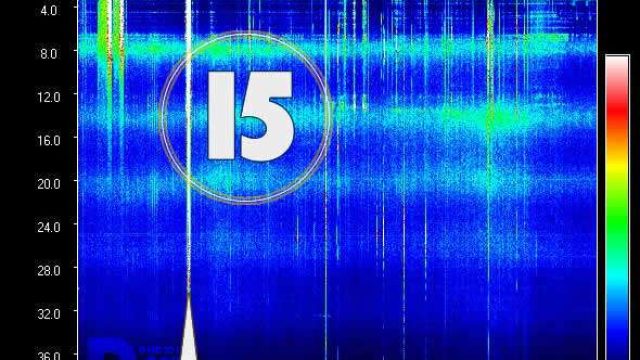
The Schumann Resonance refers to the electromagnetic waves that occur between the Earth’s surface and the ionosphere. This phenomenon was first predicted by physicist Winfried Otto Schumann in 1952. It operates at a fundamental frequency of 7.83 Hz, with variations that can indicate shifts in atmospheric conditions. As we navigate through 2024, understanding these shifts is more critical than ever.
Why is Schumann Resonance Important Now?
In recent years, the interest surrounding the Schumann Resonance has surged, particularly with the rise of technological advancements and environmental challenges. In Southeast Asia, especially in markets like Indonesia—home to numerous technological hubs—the implications of these frequency changes could be substantial. For instance, fluctuations in resonance can correlate with weather shifts, potentially affecting agricultural yields and disaster preparedness.
The Connection to Indonesian Markets
Indonesia, as part of the ASEAN economic community, is rapidly evolving. With its growing tech sector, understanding the implications of Schumann Resonance could lead to innovative solutions in environmental monitoring, agriculture, and even health sectors. Companies in sectors ranging from technology to agriculture are increasingly looking for insights into how these electromagnetic frequencies affect their operations. The knowledge gained from monitoring Schumann Resonance can empower businesses to make informed decisions that enhance sustainability and resilience.
Technological Integration and Opportunities
In 2024, integrating findings related to Schumann Resonance with technology can pave the way for new tools and applications. For instance, tech firms can develop sensors or apps that monitor resonance levels and provide users with real-time data. This innovation can be particularly beneficial for industries such as agriculture, where predicting weather patterns can lead to more effective farming strategies.
Global Perspective and Local Impact
Globally, the issue of climate change is at the forefront of discussions, and the Schumann Resonance can provide valuable data on the planet’s electromagnetic environment. By analyzing resonance patterns, scientists can gain insights into global atmospheric changes. For Indonesia, this is particularly relevant as the country experiences diverse climatic challenges. Local businesses can utilize this data to enhance disaster response strategies, ultimately saving lives and resources.
Case Studies and Real-World Applications
Several organizations worldwide have started to utilize Schumann Resonance data in their operations. For example, environmental agencies are using resonance monitoring to predict severe weather events. In Indonesia, local startups can leverage this knowledge to create predictive models that help farmers optimize their planting schedules, thereby increasing food security. Furthermore, businesses in urban areas like Jakarta and Surabaya can utilize this information to manage city planning effectively, reducing the risks of flooding and landslides.
Conclusion
The relevance of Schumann Resonance is becoming increasingly prominent in 2024, especially within the context of Southeast Asia's evolving markets. Understanding its implications allows businesses to innovate and adapt to environmental changes. As Indonesia continues to develop its technological and agricultural sectors, keen awareness of this phenomenon will be crucial for driving sustainability and economic growth. Companies like Geslano can play a pivotal role in educating and informing the B2B market about these insights, ensuring that businesses remain ahead of the curve.
 Boost Your Business with Premi
Building a Resilient Supply Ch
Elevating Your Lingerie Busine
The Future of Lingerie: Innova
Boost Your Business with Premi
Building a Resilient Supply Ch
Elevating Your Lingerie Busine
The Future of Lingerie: Innova


