
Whale Sounds in Australia: A Deep Dive into Marine Migration | slot live22, buffalo extreme slot jackpot
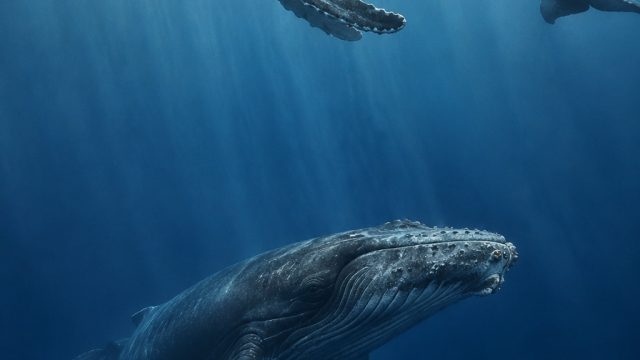
Whale Sounds in Australia: A Deep Dive into Marine Migration
In the vast, mysterious waters surrounding Australia, researchers are uncovering a symphony of whale sounds, providing critical insights into the behavior and migration patterns of these majestic marine mammals. With the installation of advanced underwater microphones, scientists are now able to monitor and record the vocalizations of whales like never before. This exciting development not only enhances our understanding of these creatures but also highlights the urgent need for conservation efforts in the face of environmental changes.
Understanding Whale Communication
Whales are known for their complex communication systems, which can include a variety of sounds such as songs, clicks, and calls. These vocalizations play a vital role in their social interactions and navigation during migration. Recent studies have shown that whales use sound to locate each other across vast distances, an ability that is crucial for their survival.
The Role of Underwater Microphones
To capture these fascinating sounds, researchers have deployed underwater microphones, or hydrophones, in key migration routes. This technology allows for real-time monitoring of whale activity, providing a wealth of data that can be used to analyze their behaviors and migration patterns.
- Enhanced Communication Tracking: Researchers can now listen to whale sounds in real-time, gaining insights into their movement and social interactions.
- Conservation Efforts: Understanding whale communication can inform conservation strategies, ensuring these creatures are protected during critical migration periods.
- Fostering Public Awareness: By sharing these findings, scientists can raise awareness about the importance of marine conservation and the challenges whales face in changing oceans.
Why This Matters Now
The urgency to understand whale vocalizations is heightened by the ongoing threats to marine ecosystems. Climate change, shipping traffic, and underwater noise pollution pose significant risks to whale populations. As these factors increasingly endanger their habitats, it is essential to prioritize research that can lead to effective conservation measures.
The Impact of Climate Change
Climate change affects ocean temperatures and currents, altering the migration patterns of whales. As they struggle to adapt to these changes, understanding their communication becomes even more vital. Researchers believe that by analyzing their sounds, they can identify stress signals caused by environmental changes, which may be indicative of broader ecological shifts.
Engaging the Public Through Education
Education plays a crucial role in the conservation of whales. With the wealth of data being collected, researchers are increasingly focused on public engagement. Initiatives that allow individuals to listen to whale calls or participate in citizen science projects aim to foster a deeper connection between people and marine life.
Innovative Outreach Programs
Some notable outreach programs include:
- Whale Watching Tours: Guided tours provide opportunities for people to experience whale migrations firsthand.
- School Programs: Educational initiatives in schools teach students about marine biology and conservation.
- Online Platforms: Streaming whale sounds online allows people from all over the world to listen to and appreciate these incredible animals.
Conclusion
As researchers continue to explore the intricate world of whale sounds and their significance for marine migration, it is clear that this knowledge is essential for conservation efforts. By embracing innovative technologies and fostering public engagement, we can work together to protect these majestic creatures and their habitats. The captivating sounds of whales not only enrich our oceans but also serve as vital indicators of the health of marine ecosystems. As we listen closely, we can ensure that their voices are heard for generations to come.
 The Role of Fashion Shows in P
The Impact of Digital Marketin
Maximizing Profit Margins in L
Exporting Lingerie: Navigating
The Role of Fashion Shows in P
The Impact of Digital Marketin
Maximizing Profit Margins in L
Exporting Lingerie: Navigating


