
Latest Insights on the 2023 Ebola Outbreak: A Alarming Surge | wheel draw poker, hall of gods jackpot
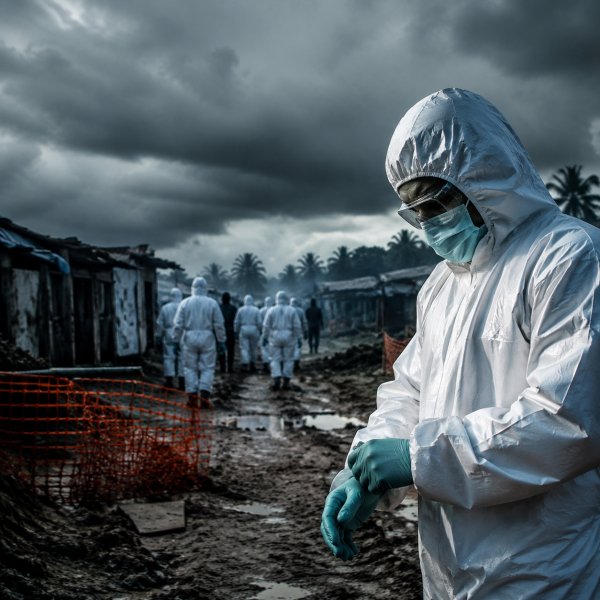
Latest Insights on the 2023 Ebola Outbreak: An Alarming Surge
The current Ebola outbreak in the Democratic Republic of the Congo (DRC) has reached a critical turning point, with the number of cases hitting unprecedented levels. As health organizations scramble to address this pressing health crisis, it is essential for communities and governments alike to understand the implications and necessary precautions. This article provides an overview of the outbreak, shedding light on the statistics, ongoing challenges, and essential measures that can be taken to mitigate its spread.
Understanding the Current Situation
The World Health Organization (WHO) has reported that the first month of the ongoing Ebola outbreak has seen an alarming rise in cases—surpassing any previous outbreaks in terms of reported infections. This rapid escalation has raised serious concerns regarding public health measures and capacity to respond effectively.
Statistics Behind the Outbreak
- Total Cases: Over 1,000 confirmed cases reported within the first month.
- Fatalities: At least 254 deaths linked to the outbreak.
- Geographical Spread: Cases are widely reported across various regions of DRC.
- Health Risks: Millions of children are at risk as the health crisis unfolds.
Challenges Amid the Outbreak
The DRC outbreak is further complicated by various situational challenges. Political instability, violence, and displacement of populations have hindered effective disease management and response strategies. These factors contribute to the difficulties faced by health officials on the ground, complicating efforts to contain the virus.
Key Challenges Include:
- Healthcare Infrastructure: Limited resources and healthcare facilities are straining under the pressure of high case numbers.
- Public Awareness: Misunderstandings about Ebola transmission continue to circulate, posing a danger to containment efforts.
- Access to Vaccines: A shortage of vaccines has been detrimental to preventive measures.
Implementing Effective Response Strategies
As the situation develops, it is crucial for healthcare authorities and governments to implement effective response strategies tailored to the current needs. Community engagement plays a significant role in the overall effectiveness of these strategies. Here are a few recommended approaches:
Proactive Measures to Consider:
- Increase Awareness: Educational campaigns to inform communities about Ebola symptoms, transmission, and prevention strategies.
- Strengthen Healthcare Systems: Development and allocation of additional healthcare resources, including emergency response units.
- Facilitate Vaccination Programs: Prioritize distribution and administration of the Ebola vaccine in high-risk areas.
Conclusion: The Importance of Staying Informed
As the Ebola outbreak in DRC continues to evolve, staying informed and understanding the implications of this health crisis is more important than ever. Governments, health organizations, and communities must collaborate to implement effective strategies that prioritize public health and safety. By adopting proactive measures, we can work together to stem the tide of this outbreak and protect vulnerable populations.
Leave Your Message
Related PRODUCTS
-

Elevate Your Brand with Premium Lingerie
-
Transforming Gowanus: A New Era of Urban
-
Discover the Luxurious Living Experience
-
Lionel Richie Takes a Break for Health:
-
Elevate Your Wardrobe: Modern Styling Ti
-
Unleash Your Inner Elegance with Premium
-
Unveiling the Elegant Collection of Ling
-
Elevate Your Lingerie Line with Our Prem
-
Discover the Latest Evolution of Lingeri
-
Unlocking the Future of Space Exploratio


