
Senate Takes Stand Against Potential Conflict with Iran | rtp link 268, doremi4d
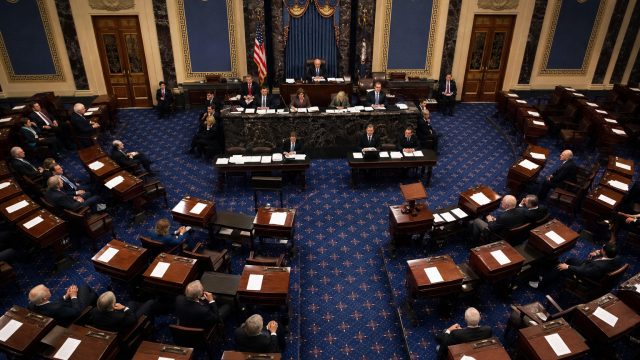
The recent vote in the Senate has sparked discussions across the nation, emphasizing the legislative power to influence military actions abroad. This significant resolution seeks to limit President Trump's ability to escalate hostilities with Iran, reflecting a growing concern among lawmakers about the implications of military intervention. As tensions in the Middle East continue to rise, understanding the broader context of this decision is crucial.
The Resolution: A Legislative Rebuttal
In a notable display of bipartisan agreement, the Senate passed a resolution directing President Trump to end military hostilities with Iran. This legislative move is not just a reaction to current events but an assertion of Congressional authority over war-making powers. Many senators voiced their concerns about the potential repercussions of further military engagement and the importance of a diplomatic approach.
Understanding the Context of the Vote
- Historical Precedents: The War Powers Resolution of 1973 has been a guideline for Congress to limit the president's military engagements without explicit consent.
- Impact of Previous Conflicts: Past military interventions have often led to prolonged engagements, raising questions about their effectiveness and the costs involved.
- Current U.S.-Iran Relations: The geopolitical landscape remains fragile, with recent escalations heightening fears of a miscalculation that could lead to war.
The Importance of Congressional Oversight
Congressional oversight of military actions is critical in maintaining a check on executive power. This resolution acts as a reminder that military decisions should involve scrutiny and debate, ensuring that they align with the nation's broader strategic interests.
Key Reasons for the Resolution's Relevance
- Public Sentiment: A significant portion of the American public is wary of another military engagement in the Middle East, reflecting a desire for diplomacy over conflict.
- International Relations: The implications of U.S. military action could affect alliances and perceptions globally, especially with NATO partners.
- Economic Considerations: Military conflicts often come with substantial economic burdens, impacting domestic priorities.
What Comes Next?
As the Senate takes this decisive step, the focus shifts to how the executive branch will respond. Will President Trump adhere to this directive, or will he pursue a more aggressive stance? The coming weeks will be crucial, as the administration navigates this complex terrain while addressing both domestic and international pressures.
Potential Outcomes of the Senate's Decision
- Increased Dialogue: This resolution may lead to more diplomatic discussions aimed at de-escalating tensions with Iran.
- Policy Reevaluation: The administration might reassess its approach to foreign policy in the Middle East to align more closely with public sentiment and Congressional directives.
- Future Legislation: Expect more discussions in Congress regarding the balance of war powers and military engagement strategies.
Conclusion: A Pivotal Moment in U.S. Foreign Policy
The Senate's recent resolution to limit military action in Iran represents a significant moment in U.S. foreign policy, showcasing the importance of Congressional authority and public opinion in shaping the nation's approach to international conflicts. As events unfold, the implications of this decision will resonate, not only in Washington but also globally. Observers will be keenly watching how this dynamic plays out and what it means for future U.S. engagements abroad.
 The Future of B2B Trade in Lin
Revolutionizing the Lingerie E
Sustainable Practices in Linge
Navigating Global Markets: The
The Future of B2B Trade in Lin
Revolutionizing the Lingerie E
Sustainable Practices in Linge
Navigating Global Markets: The


