
Resilience in 18th Century Iran: From Collapse to Rebirth | sarjana 4d slot, pusat4d rtp
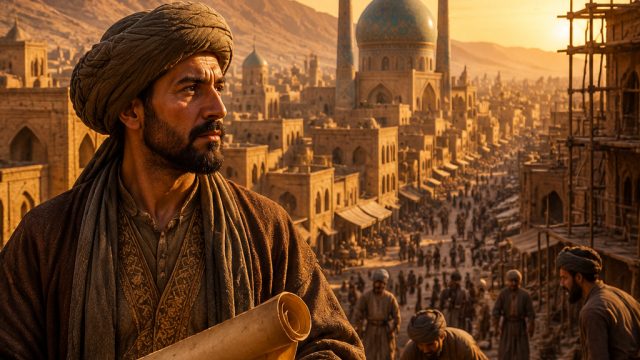
The 18th century marked a significant chapter in Iran's history, characterized by dramatic upheaval and resilience. Following the fall of the Safavid dynasty in 1722, the nation faced decades of turmoil that would ultimately shape its future. This article delves into the factors that led to this tumultuous period and explores the eventual rise of the Qajar dynasty, which brought a semblance of stability to a beleaguered nation.
The Fall of the Safavid Dynasty
The collapse of the Safavid dynasty was catalyzed by a series of events that culminated in the invasion by Afghan forces in 1722. This invasion not only toppled a long-standing regime but also exposed the fragility of Iran's socio-political structure. The siege of Esfahan, the Safavid capital, was marked by intense struggles and loss, leading to widespread devastation.
Factors Contributing to the Fall
- Weakening central authority due to internal strife
- Growing power of regional warlords
- Economic decline and mismanagement of resources
- External pressures from neighboring forces
Decades of Turmoil: Civil and Foreign Conflicts
Following the fall of the Safavid dynasty, Iran plunged into an era of chaos characterized by continuous civil and foreign wars. For nearly 70 years, various factions vied for power, leading to a fragmented and unstable political landscape. This period was marked by the rise and fall of numerous local dynasties and warlords, each attempting to carve out their own influence.
The Impact of Continuous Warfare
The persistent conflicts during this time had far-reaching consequences for the Iranian populace. The social fabric of the nation was torn apart, and many citizens faced dire hardships. Key impacts included:
- Displacement of communities due to frequent battles
- Decline in trade and economic stability
- Increased vulnerability to foreign invasions
- A loss of cultural heritage as conflicts disrupted traditional practices
The Emergence of the Qajar Dynasty
It was not until the establishment of the Qajar dynasty in the late 18th century that Iran began to emerge from the shadows of despair. The Qajars, under the leadership of Agha Mohammad Khan, managed to unify the country and restore a degree of order.
Key Aspects of the Qajar Reformation
The Qajar dynasty implemented several reforms aimed at stabilizing Iran and rebuilding its economy:
- Centralization of authority to reduce the power of local warlords
- Revitalization of trade routes and markets
- Encouragement of cultural revival through arts and education
- Strengthening of military forces to protect against external threats
Significance of the 18th Century in Iran's Historical Narrative
The struggles and eventual resurgence of Iran during the 18th century serve as a testament to the nation's resilience. This period illustrates the complexities of Iranian history, where moments of despair were often followed by periods of renewal and strength. Understanding this era provides insights into the foundations of modern Iran and the enduring spirit of its people.
Lessons from Iran's 18th Century Experience
The historical lessons drawn from this tumultuous period emphasize the importance of unity and governance in the face of adversity. They remind us that resilience can emerge from the most challenging circumstances, paving the way for a brighter future.
Conclusion
The 18th century was a defining moment for Iran, characterized by collapse, conflict, and ultimately, the promise of rebirth through the Qajar dynasty. As we reflect on this significant chapter in Iranian history, we recognize the profound resilience that shaped the nation's identity. Understanding these dynamics not only enriches our knowledge of Iran's past but also informs our perspective on its ongoing journey.
 Unlocking Global Trade Opportu
Navigating the Challenges of B
Maximizing Your B2B Lingerie S
Expanding Your Lingerie Brand:
Unlocking Global Trade Opportu
Navigating the Challenges of B
Maximizing Your B2B Lingerie S
Expanding Your Lingerie Brand:


