
Current Tensions in Iran: Trump’s Claims and Tehran’s Responses | asian bookie net, kadal slot 4d login, mgo55 online slot
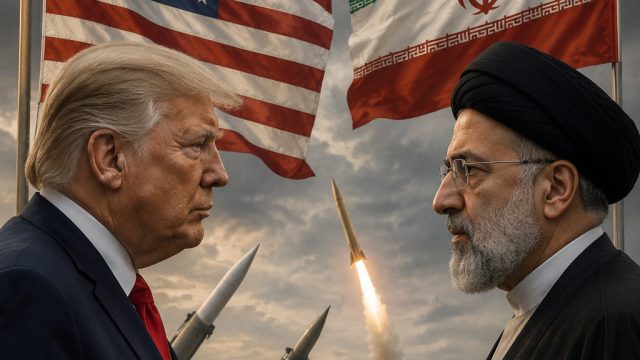
As global attention shifts back to Iran, former President Donald Trump has recently made bold claims regarding negotiations involving the nation’s nuclear program. His assertions, however, are met with sharp contradictions from Iranian officials, sparking a wave of debate over the validity of the statements being made. Understanding the dynamics at play is crucial, especially as these developments unfold amidst ongoing geopolitical tensions.
The Claims Made by Trump
In recent public statements, Trump has suggested that Iran has made significant concessions in negotiations concerning its nuclear capabilities. He has posited that Tehran has "completely agreed" to allow international inspectors back into its nuclear sites, framing this as a major breakthrough in diplomatic efforts. Such claims have the potential to reshape discussions around sanctions and international relations.
The Context of Iran’s Nuclear Program
The context of these negotiations is important, as Iran's nuclear program has long been a point of contention on the global stage. The Joint Comprehensive Plan of Action (JCPOA) aimed to limit Iran's nuclear activities in exchange for sanction relief. However, the agreement has faced numerous challenges, particularly after the U.S. withdrew from the accord in 2018. This backdrop serves as a crucial lens through which to view Trump's assertions.
Iran’s Reaction: A Firm Denial
In stark contrast to Trump’s enthusiasm, Iranian officials have publicly denied any new commitments regarding their nuclear inspections. The Iranian response emphasizes that no agreements have been made to facilitate inspector access to their facilities, directly contradicting Trump’s statements. This denial not only raises questions about the accuracy of the claims but also highlights the complexities involved in diplomatic relations with Iran.
Implications of Misinformation
- Trust Issues: Misinformation can lead to a breakdown of trust between negotiating parties.
- Increased Tensions: Contradictory statements can escalate tensions within the region.
- Impact on Sanctions: Misunderstandings can complicate discussions surrounding economic sanctions.
- Public Perception: Misinformation can shape public opinion and international support.
The Road Ahead for U.S.-Iran Relations
The ongoing back-and-forth between Trump’s assertions and Iran’s denials underscores a larger issue: the precarious nature of U.S.-Iran relations. As both sides navigate this complex landscape, the potential for misinterpretation and misinformation looms large. Observers are watching closely, as the outcome of these negotiations could have significant implications not only for Iran but for global security as a whole.
Key Considerations Going Forward
Several factors will play a role in shaping the future of U.S.-Iran relations:
- Diplomatic Engagement: Continued dialogue is essential to avoid misunderstandings.
- International Involvement: Third-party nations may play a key role in mediating discussions.
- Public Transparency: Clear communication can help manage expectations and reduce tensions.
Conclusion: Navigating Uncertain Waters
As Trump's claims about Iran continue to stir debate, the reality on the ground remains complex and fraught with uncertainty. Understanding the nuances of these negotiations and the responses from Tehran is vital for any stakeholders involved. As the situation unfolds, it will be essential to monitor not only the statements being made but also the underlying actions that shape the future of this critical geopolitical relationship.
 The Future of B2B Trade in Lin
Revolutionizing the Lingerie E
Sustainable Practices in Linge
Navigating Global Markets: The
The Future of B2B Trade in Lin
Revolutionizing the Lingerie E
Sustainable Practices in Linge
Navigating Global Markets: The


