
New Discoveries: The Search for Noah's Ark Gains Momentum | naga231, slot dewatogel
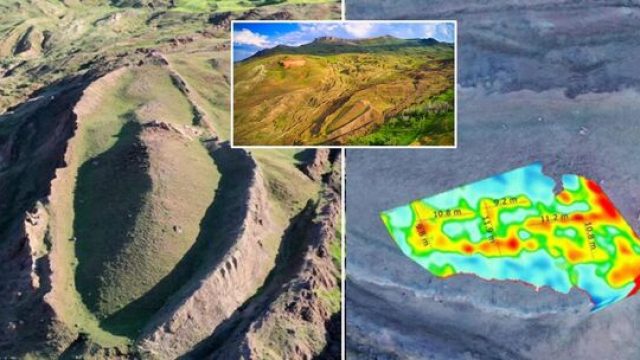
The Ongoing Quest for Noah's Ark: A New Chapter Unfolds
The mystery surrounding Noah's Ark has captivated the imagination of historians, archaeologists, and believers alike for centuries. Recent developments have reignited interest in this legendary vessel, as researchers have received official approval to commence a significant excavation at the Durupinar Formation in Turkey. This newfound momentum highlights not just the quest for artifact recovery but also the broader implications for understanding our shared history.
The Significance of the Durupinar Formation
Located in eastern Turkey, the Durupinar Formation has been a focal point for those intrigued by the possibility of uncovering remnants of Noah's Ark. The site, which has long been a subject of speculation, is believed by some to contain the remains of the Ark, as described in the biblical narrative. Government authorization now allows researchers to delve deeper into this geological formation, promising to shed light on both its age and any artifacts that may be present.
What Makes This Excavation Unique?
- Official Government Support: For the first time, the excavation is backed by governmental approval, which may enhance the credibility of the findings.
- Advancements in Technology: The use of modern archaeological techniques can yield more accurate results, making it easier to analyze the soil and potential artifacts.
- Interdisciplinary Collaboration: A diverse team of researchers from different fields is collaborating, fostering a more comprehensive understanding of the site.
Why This Matters Now
The search for Noah's Ark is not merely about uncovering a religious artifact; it reflects a deeper human desire to connect with our past. In times of uncertainty, such as what we have experienced over the past few years, stories of hope and survival resonate deeply with people. The Ark symbolizes resilience and faith, themes that are particularly relevant today.
Broader Implications of the Research
This excavation could serve as a bridge between faith and science, potentially leading to new insights within both realms. As researchers explore the Durupinar Formation, they could unveil not only historical truths but also spark global discussions regarding the interplay of culture, religion, and history.
Community Engagement and Global Interest
The announcement of this excavation has not gone unnoticed in the broader community. Archaeologists and historians from around the world are closely monitoring the developments, eager to see what discoveries will arise from this project. Online forums and social media platforms buzz with speculation and excitement, as people eagerly discuss what the findings could mean for biblical history, modern archaeology, and even tourism in the region.
How Can You Follow the Excavation Progress?
- Social Media Updates: Follow official accounts for real-time updates on the excavation progress.
- Documentary Releases: Keep an eye out for documentaries that may showcase the excavation process.
- Public Lectures: Attend lectures and webinars hosted by participating researchers about their findings.
Conclusion: A Journey of Discovery
The upcoming excavation at the Durupinar Formation stands as a pivotal moment in the ongoing search for Noah's Ark. With government backing and advances in technology, the potential for groundbreaking discoveries is higher than ever. As the world watches closely, this journey may not only reveal lost artifacts but also enrich our understanding of human history and culture, offering a narrative of hope that transcends time.
This search encourages us all to ponder the questions of our origins and the stories that bind us, making the exploration of sites like Durupinar not just an archaeological endeavor, but a journey that encompasses the essence of humanity.
 How to Choose the Right Linger
Key Benefits of B2B Trade in t
Exploring the Impact of Fashio
The Rise of Sustainable Linger
How to Choose the Right Linger
Key Benefits of B2B Trade in t
Exploring the Impact of Fashio
The Rise of Sustainable Linger


