
Newly Identified Walking Shark Species Raises Conservation Concerns | game nusantara88, nba parlay, aplikasi dadu
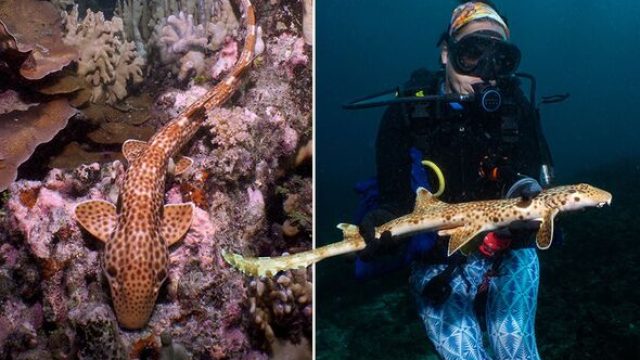
Newly Identified Walking Shark Species Raises Conservation Concerns
In a significant scientific breakthrough, researchers have unveiled a new species of walking shark in the vibrant waters of Papua New Guinea. This unique species not only captivates marine biologists but also raises urgent conservation questions that need immediate attention.
The Walking Shark's Unique Abilities
Discovered in the coral-rich regions of Papua New Guinea, this remarkable shark exhibits a rare ability: it can drag most of its body out of the water using its fins, allowing it to traverse short distances on land. This adaptation is particularly fascinating as it showcases the evolutionary innovations that marine life can undergo to adapt to their environments.
What Makes This Walking Shark Special?
- Adaptation: The walking shark can use its pectoral fins to maneuver on land, which is a behavior rarely seen in other shark species.
- Habitat: It thrives in shallow waters and coral reefs, areas that are crucial for its survival.
- Behavioral Insights: This species provides insights into the behaviors and adaptations of marine life in changing environments.
Conservation Status and Threats
Despite its astonishing abilities, the walking shark faces imminent threats due to habitat loss and environmental changes. The waters of Papua New Guinea, while rich in biodiversity, are increasingly vulnerable to pollution, overfishing, and climate change.
Key Threats to the Walking Shark
- Habitat Destruction: Coastal development and pollution are leading to the degradation of vital coral reefs.
- Overfishing: Unsustainable fishing practices threaten not only the walking shark but the entire marine ecosystem.
- Climate Change: Rising sea temperatures and ocean acidification endanger the habitats necessary for their survival.
The Role of Conservation Efforts
As awareness of the walking shark's plight grows, so does the need for concerted conservation efforts. Scientists and conservationists are calling for immediate action to protect this newly discovered species and the fragile ecosystems it inhabits.
What Can Be Done?
- Establish Protected Areas: Implementing marine protected areas can help safeguard the habitats of the walking shark.
- Promote Sustainable Practices: Encouraging local communities to adopt sustainable fishing practices is crucial.
- Raise Awareness: Educational campaigns can inform the public and promote the importance of marine biodiversity.
Why This Matters Now
Understanding the importance of the walking shark extends beyond mere fascination. The discovery of such a species emphasizes the urgent need to preserve marine biodiversity in a rapidly changing world. As ecosystems face unprecedented challenges, each species plays a critical role in maintaining the balance of their habitats.
In conclusion, the newly identified walking shark serves as a vivid reminder of nature's creativity and resilience. Protecting this species is not just about safeguarding a peculiar marine creature; it is about preserving the intricate web of life on which we all depend. The time to act is now, and global cooperation is essential to ensure a sustainable future for our oceans.
 Exploring the Booming Kids Fas
Upcoming Textile and Yarn Prod
Top 5 Lingerie Export Markets
The Future of Lingerie: Innova
Exploring the Booming Kids Fas
Upcoming Textile and Yarn Prod
Top 5 Lingerie Export Markets
The Future of Lingerie: Innova


